Structural Integrity Tools
Overview of Structural Integrity Tools for Construction Measurement Ecosystems
Structural Integrity Tools play a critical role in evaluating the durability, strength, and safety of materials and structures across construction environments. These instruments are designed to measure parameters such as thickness, pressure, and flow dynamics, enabling engineers to detect internal defects, corrosion, stress variations, and performance inefficiencies. Such insights are essential for maintaining compliance, extending asset life, and minimizing operational risks.
Within advanced environmental testing and measurement ecosystems for construction, these tools provide quantifiable data that supports both real-time monitoring and long-term structural assessments. They are widely used across infrastructure development, industrial facilities, and energy systems where material degradation or fluid behavior directly impacts performance. By integrating precision sensing technologies with digital data acquisition, these tools help technical teams make informed decisions based on measurable structural conditions rather than assumptions.
Measurement and Diagnostic Functions
Structural Integrity Tools from Enviro Test Construct are engineered to support high-precision diagnostics across complex construction and industrial environments:
- Non-destructive evaluation of material thickness for corrosion detection and lifecycle analysis
- Pressure monitoring across pipelines, vessels, and mechanical systems to ensure operational safety
- Flow measurement for liquids and gases in enclosed systems without disrupting operations
- Detection of internal structural flaws such as voids, cracks, and inclusions using ultrasonic methods
- Continuous or periodic monitoring of structural stress conditions in load-bearing components
- Data logging and trend analysis to support predictive maintenance strategies
- Integration with digital inspection systems for centralized monitoring and reporting
- Field-ready measurement capabilities for on-site inspection in variable environmental conditions
Cross-Parameter Evaluation Criteria Relevant to Structural Integrity Tools
Selection of appropriate instruments requires careful evaluation of technical parameters that influence measurement accuracy, operational compatibility, and long-term reliability:
- Measurement range and resolution suitable for material thickness, pressure levels, or flow rates
- Sensor type and transducer frequency based on material composition and inspection depth requirements
- Accuracy and repeatability under varying environmental and operational conditions
- Calibration requirements and traceability to recognized standards
- Data acquisition capabilities including storage capacity, sampling rate, and connectivity options
- Environmental tolerance including temperature, humidity, and exposure to dust or chemicals
- Power requirements such as battery operation, wired supply, or hybrid configurations
- Portability versus fixed installation depending on inspection workflows
- Compatibility with existing monitoring systems and industrial communication protocols
Ultrasonic Thickness Meters
Ultrasonic Thickness Meters utilize high-frequency sound waves to measure material thickness without requiring access to both sides of the test surface. These instruments are particularly effective for detecting corrosion, erosion, and material loss in metal and composite structures. By analyzing the time-of-flight of ultrasonic pulses, they provide accurate readings even in coated or layered materials. Engineers rely on these devices for routine inspections of pipelines, storage tanks, and structural components where maintaining wall integrity is critical. Their non-invasive nature supports continuous inspection programs without interrupting operations.
Click here for Ultrasonic Thickness Meters
Pressure Measurement Gauges
Pressure Measurement Gauges are essential for monitoring internal pressures within mechanical systems, pipelines, and containment units. These instruments convert applied pressure into readable values through mechanical or electronic sensing mechanisms. Accurate pressure monitoring helps prevent system failures, leaks, and unsafe operating conditions. Advanced gauges include digital displays, data logging features, and integration with supervisory control systems. They are widely used in construction environments involving fluid transport, HVAC systems, and industrial processing units where pressure stability directly impacts safety and efficiency.
Click here for Pressure Measurement Gauges
Ultrasonic Flow Measurement Meters
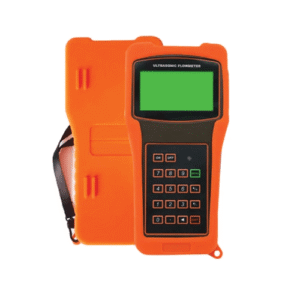
Ultrasonic Flow Measurement Meters measure the velocity of fluids within pipes using sound wave propagation principles. These meters are often clamp-on devices, allowing installation without cutting into pipelines. They provide reliable flow data for both liquids and gases, supporting system optimization and leak detection. Their non-intrusive design minimizes downtime and reduces maintenance requirements. These instruments are particularly valuable in environments where traditional flow meters are impractical due to pipe size, material, or operational constraints. Engineers use them for performance analysis and system balancing across construction and industrial applications.
- Pipeline integrity assessment to detect corrosion, wall thinning, and structural weaknesses before critical failure occurs
- Monitoring pressure stability in HVAC systems to ensure safe and efficient building operation
- Evaluating storage tank conditions for regulatory compliance and long-term asset management
- Flow analysis in water distribution systems to identify inefficiencies and leakage points
- Inspection of structural steel components in bridges and high-rise buildings for safety assurance
- Monitoring industrial processing systems where pressure and flow consistency are essential
- Assessment of underground infrastructure such as buried pipelines without excavation
- Quality control during construction to verify material thickness and installation accuracy
- Energy sector applications including oil, gas, and power generation system diagnostics
- Environmental compliance monitoring where fluid transport and containment must meet regulatory standards
- ASTM International Standards
- ASME Boiler and Pressure Vessel Code
- API Standards
- ANSI Standards
- OSHA Regulations
- NIST Calibration Standards
- CSA Group Standards
- Environment Canada Regulations
- UL Certification
- ISO 9001 and ISO 17025
| Instrument Type | Primary Measurement Focus | Non-Intrusive Capability | Typical Use Environment | Data Output Type | Mobility Level |
| Ultrasonic Thickness Meters | Material thickness | Yes | Metal structures, pipelines | Digital readings | High portability |
| Pressure Measurement Gauges | Internal system pressure | No (contact required) | Pipelines, vessels, HVAC | Analog or digital | Fixed or portable |
| Ultrasonic Flow Measurement Meters | Fluid flow rate and velocity | Yes | Liquid and gas pipelines | Digital with logging | Portable or fixed |
Deployment and Usage in Industrial Environments
Effective implementation of Structural Integrity Tools requires alignment with operational conditions and inspection workflows:
- Instruments must operate reliably across temperature extremes, high humidity, and dust-prone construction environments
- Portable devices are preferred for field inspections, while fixed systems support continuous monitoring in critical infrastructure
- Battery-powered tools offer flexibility for remote sites, whereas wired systems ensure uninterrupted operation in fixed installations
- Data handling approaches range from onboard storage to cloud-integrated systems depending on project scale and complexity
- Calibration and maintenance schedules must be established to maintain measurement accuracy over time
- Integration with existing enterprise systems allows centralized monitoring and supports data-driven decision-making
- Operator training is essential to ensure correct usage and interpretation of measurement data
Enviro Test Construct supports implementation through expert guidance, ensuring tools are configured and deployed according to project-specific requirements.
Performance Benefits Delivered by Enviro Test Construct
- Enables non-destructive evaluation, preserving structural components during inspection
- Supports early detection of material degradation, reducing risk of catastrophic failure
- Provides high-precision measurements critical for engineering validation and compliance
- Enhances predictive maintenance strategies through continuous or periodic data collection
- Reduces operational downtime by enabling inspection without system shutdown
- Improves safety by identifying pressure anomalies and structural weaknesses
- Facilitates regulatory compliance through accurate and traceable measurement data
- Supports integration with digital monitoring systems for enhanced visibility and control
Enviro Test Construct has quickly established itself as a trusted leader in delivering advanced environmental testing and measurement solutions for the construction industry. With a growing B2B presence across North America, the organization continues to drive innovation, ensure product reliability, and provide customer-focused technical support.
- What factors influence the accuracy of ultrasonic thickness measurements?
Accuracy depends on material type, surface condition, transducer frequency, and proper calibration against known reference standards. - Can ultrasonic flow meters be used on all pipe materials?
Most clamp-on ultrasonic flow meters work on metal and certain plastic pipes, but performance may vary based on acoustic properties. - How often should pressure gauges be calibrated?
Calibration frequency depends on usage conditions and regulatory requirements, typically ranging from quarterly to annually. - Are these tools suitable for continuous monitoring or only periodic inspection?
Certain models support continuous monitoring, while others are designed for manual inspection workflows depending on application needs. - What are the limitations of non-destructive testing methods?
Limitations include sensitivity to surface conditions, material heterogeneity, and operator skill in interpreting results. - How is data from these tools typically managed?
Data can be stored locally, transferred to computers, or integrated into centralized monitoring systems using industrial communication protocols. - What industries benefit most from structural integrity measurement tools?
Construction, oil and gas, energy, water management, and infrastructure sectors rely heavily on these tools for safety and compliance.
Engineering teams, procurement specialists, and system integrators seeking reliable measurement solutions can collaborate with Enviro Test Construct for tailored guidance and product selection. Whether evaluating tools for new infrastructure projects or upgrading existing inspection systems, our experts provide technical consultation aligned with operational requirements.
Reach out through our dedicated contact us page to discuss your needs, request product details, or explore implementation strategies by visiting our page.
Showing 1–12 of 266 results
- Ultrasonic Flow Measurement Meters
Enviro Test Construct Digital Portable Ultrasonic Flow Meter
Read more - Ultrasonic Flow Measurement Meters
Clamp – On Digital Ultrasonic Water Flow Meter for Liquids – Enviro Test Construct
Read more - Ultrasonic Flow Measurement Meters
Clamp-On Portable Handheld Ultrasonic Water Flowmeter – Enviro Test Construct
Read more - Ultrasonic Flow Measurement Meters
Clamp-On Ultrasonic Flow Meter with Wireless IoT Communication – Enviro Test Construct
Read more - Ultrasonic Flow Measurement Meters
Compact and Wall-mounted Housing Stainless Steel Flowmeter – Enviro Test Construct
Read more - Pressure Measurement Gauges
Differential Pressure Data Logger Manometer – Enviro Test Construct
Read more - Ultrasonic Flow Measurement Meters
Digital Clamp – On Ultrasonic Flow Meter – Enviro Test Construct
Read more - Pressure Measurement Gauges
Digital Handheld Manometer for Gas and HVAC Pressure – Enviro Test Construct
Read more - Pressure Measurement Gauges
Digital Manifold Manometers with Wireless Probes – Enviro Test Construct
Read more - Pressure Measurement Gauges
Digital Manometer Handheld Differential Pressure Gauge – Enviro Test Construct
Read more - Pressure Measurement Gauges
Digital Manometer Handheld Differential Pressure Gauge – Enviro Test Construct
Read more - Pressure Measurement Gauges
Digital Refrigeration HVAC Manifold Manometer – Enviro Test Construct
Read more