Air Quality Instruments
Overview of Air Quality Instruments for Construction Testing and Environmental Measurement
Air quality instruments play a critical role in quantifying environmental parameters across construction zones, infrastructure projects, and industrial sites. These devices are engineered to measure atmospheric conditions such as particulate concentration, humidity levels, air temperature, wind velocity, and radiation exposure with high precision. Accurate environmental sensing supports compliance, worker safety, and material performance validation across diverse construction workflows.
Modern air monitoring devices integrate sensor arrays, digital signal processing, and real-time data acquisition systems to deliver actionable insights. Engineers and site managers rely on these systems to assess environmental impact, validate site readiness, and optimize operational decisions. Portable and fixed configurations allow deployment across dynamic job sites, from urban developments to remote infrastructure projects.
Enviro Test Construct has built a strong reputation in delivering advanced environmental testing and measurement solutions tailored for construction environments. With a growing B2B presence across North America, we combine product reliability, continuous innovation, and technical support to help organizations improve measurement accuracy and operational efficiency.
Air quality measurement systems offered by Enviro Test Construct are designed to support real-world construction and environmental testing challenges. These instruments provide multi-parameter monitoring capabilities and robust performance under variable site conditions.
- Measure airborne particulate matter including PM1, PM2.5, and PM10 for dust control and compliance monitoring
- Monitor ambient humidity levels to evaluate moisture-sensitive construction processes and material storage conditions
- Capture air temperature data for thermal profiling and environmental impact assessments
- Assess wind speed and airflow patterns for dust dispersion analysis and safety planning
- Detect radiation levels in environments where radiological exposure monitoring is required
- Enable real-time environmental data logging and remote monitoring integration
- Support calibration and validation workflows for maintaining measurement accuracy across devices
- Provide threshold-based alerts for environmental exceedances affecting worker safety and compliance
- Facilitate integration with centralized monitoring systems for multi-site environmental tracking
Selecting appropriate air quality monitoring equipment requires careful evaluation of technical parameters aligned with operational requirements and compliance standards.
Measurement Accuracy and Resolution
Precision levels must align with regulatory thresholds and engineering tolerances. High-resolution sensors are critical for detecting minor environmental fluctuations.
Sensor Technology and Range
Different sensing technologies such as electrochemical, optical, and capacitive sensors offer varying detection ranges. Selection depends on target parameters and site conditions.
Environmental Durability
Construction environments expose instruments to dust, vibration, and temperature variations. Rugged enclosures and IP-rated protection are essential.
Data Logging and Connectivity
Integrated data storage, wireless communication, and compatibility with IoT platforms enable continuous monitoring and centralized analysis.
Calibration Requirements
Regular calibration ensures long-term accuracy. Instruments with automated or simplified calibration processes reduce operational overhead.
Power Supply Options
Battery-powered, mains-powered, or hybrid configurations should align with site mobility and operational duration requirements.
Response Time
Fast response sensors are necessary for dynamic environments where conditions change rapidly, such as active construction zones.
Wind Speed Meters for Airflow and Dispersion Analysis
Wind speed meters are essential tools for measuring air velocity and directional flow across construction environments. These devices utilize technologies such as cup anemometers, vane sensors, or ultrasonic systems to deliver accurate airflow data. Engineers use this information to analyze dust dispersion patterns, evaluate ventilation effectiveness, and ensure safe crane and lifting operations. Portable wind meters enable on-site measurements, while fixed installations support continuous monitoring. Accurate wind profiling helps reduce environmental impact and supports compliance with site safety regulations.
Click Hear for Wind Speed Meters
Humidity Meters for Moisture Monitoring and Material Protection
Humidity meters measure relative humidity levels to assess moisture conditions that affect construction materials and processes. Capacitive and resistive sensors are commonly used to detect ambient humidity with high precision. These instruments are critical for applications such as concrete curing, coating application, and storage of moisture-sensitive materials. Consistent humidity monitoring helps prevent structural defects, corrosion, and material degradation. Advanced models provide data logging and integration capabilities for long-term environmental analysis across construction sites.
Click Hear for Humidity Meters
Air Temperature Tools for Thermal Condition Assessment
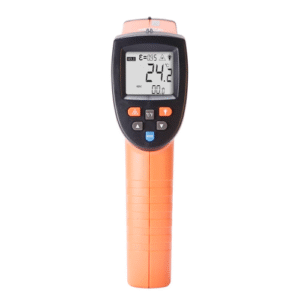
Air temperature measurement tools provide accurate thermal readings necessary for evaluating environmental conditions in construction projects. Thermocouples, RTDs, and semiconductor sensors are widely used for temperature detection. These instruments support applications such as asphalt laying, concrete curing, and HVAC system validation. Reliable temperature data ensures that materials are processed and installed within specified thermal limits. Portable and fixed configurations allow engineers to monitor temperature variations across different zones, improving process control and quality assurance.
Click Hear for Air Temperature Tools
Radiation Monitors for Environmental Safety and Compliance
Radiation monitors detect and measure ionizing radiation levels in environments where radiological exposure is a concern. These devices use Geiger-Müller tubes, scintillation detectors, or semiconductor sensors to identify radiation presence. Construction projects near industrial zones, nuclear facilities, or contaminated sites require reliable radiation monitoring to ensure worker safety and regulatory compliance. Real-time detection and alarm systems enable immediate response to hazardous conditions, supporting risk mitigation and safety planning.
Click Hear for Radiation Monitors
Environmental Calibrators for Instrument Accuracy Validation
Environmental calibrators are used to verify and adjust the accuracy of air quality instruments. These devices simulate controlled environmental conditions such as temperature, humidity, and pressure to validate sensor performance. Calibration is essential for maintaining measurement integrity, especially in compliance-driven environments. Portable calibrators allow field validation, while laboratory-grade systems support high-precision calibration workflows. Regular calibration ensures consistency across measurement systems and supports audit readiness for regulatory inspections.
Air quality instruments are widely deployed across construction and industrial environments to support measurement accuracy, safety, and compliance.
- Monitoring dust emissions at construction sites to meet environmental compliance requirements and reduce impact on surrounding communities
- Evaluating indoor air quality during building construction to ensure safe working conditions and regulatory adherence
- Assessing environmental conditions for concrete curing to maintain structural integrity and performance standards
- Measuring wind conditions for crane operations and high-rise construction safety planning
- Tracking humidity levels in storage facilities to prevent material degradation and moisture-related defects
- Conducting environmental impact assessments for infrastructure development projects
- Supporting HVAC system validation and commissioning in commercial and industrial buildings
- Monitoring radiation levels in construction projects near industrial or contaminated zones
- Enabling real-time environmental data collection for multi-site project management and reporting
- Assisting in regulatory audits by providing accurate and traceable environmental measurement data
- EPA Air Quality Standards
- OSHA Workplace Safety Regulations
- NIOSH Air Monitoring Guidelines
- ANSI Environmental Measurement Standards
- ASTM Environmental Testing Standards
- CSA Environmental Monitoring Standards
- Environment and Climate Change Canada Regulations
- Health Canada Air Quality Guidelines
| Instrument Type | Primary Measurement | Portability | Data Logging Capability | Typical Use Case |
| Wind Speed Meters | Air velocity and direction | High | Moderate to High | Dust dispersion and airflow analysis |
| Humidity Meters | Relative humidity | High | High | Moisture control and material storage |
| Air Temperature Tools | Ambient temperature | High | High | Thermal condition monitoring |
| Radiation Monitors | Ionizing radiation levels | Moderate | High | Safety compliance in hazardous zones |
| Environmental Calibrators | Multi-parameter simulation | Moderate | Moderate | Calibration and validation workflows |
Successful deployment of air quality instruments in construction environments requires careful planning around operational conditions and system integration.
Environmental conditions such as dust, vibration, and temperature fluctuations influence instrument selection. Devices must be ruggedized to withstand harsh site environments while maintaining measurement accuracy.
Mobility requirements vary depending on application. Portable instruments support spot measurements and inspections, while fixed systems enable continuous monitoring across critical zones.
Power availability is another key factor. Battery-operated devices offer flexibility for remote locations, while mains-powered systems provide uninterrupted operation for long-term monitoring.
Data handling approaches depend on project scale and complexity. Standalone devices with onboard storage are suitable for smaller projects, while large-scale operations benefit from networked systems with cloud or centralized data management platforms.
Integration with existing site management systems enhances visibility and enables data-driven decision-making. Engineers often require compatibility with SCADA systems, IoT platforms, or custom analytics tools.
Air quality instruments provide measurable advantages in construction-focused environmental testing and monitoring.
- High-precision sensors enable accurate detection of environmental parameters critical for compliance and safety
- Multi-parameter measurement capabilities reduce the need for multiple standalone devices
- Real-time monitoring supports proactive decision-making and risk mitigation
- Portable and fixed configurations offer flexibility across diverse construction environments
- Data integration capabilities enable centralized monitoring and reporting across multiple sites
- Calibration tools ensure long-term measurement reliability and audit readiness
- Robust construction allows operation in challenging environmental conditions without compromising performance
- What parameters can air quality instruments measure in construction environments?
- Air quality instruments typically measure particulate matter, humidity, temperature, wind speed, and radiation levels depending on the device configuration.
- How often should air quality instruments be calibrated?
- Calibration frequency depends on usage and regulatory requirements. Many applications require calibration every six to twelve months or after significant environmental exposure.
- Are these instruments suitable for outdoor construction sites?
- Yes, most instruments are designed with rugged enclosures and environmental protection ratings suitable for outdoor deployment.
- Can air quality instruments integrate with IoT platforms?
- Many modern instruments support wireless connectivity and can integrate with IoT systems for real-time monitoring and data analysis.
- What factors affect measurement accuracy?
- Sensor quality, calibration status, environmental conditions, and proper device handling all influence measurement accuracy.
- Do these instruments support regulatory compliance?
- Yes, properly selected and calibrated instruments help meet environmental and occupational safety regulations in the USA and Canada.
- What is the difference between portable and fixed air quality monitoring systems?
- Portable systems are used for spot measurements, while fixed systems provide continuous monitoring in designated locations.
Organizations seeking reliable air quality instruments for construction and environmental testing can benefit from expert guidance and tailored solutions. Enviro Test Construct supports engineers, procurement teams, and system integrators with product selection, technical consultation, and ongoing support.
Reach out through our Contact Us page to your requirements, request product information, or explore implementation strategies aligned with your operational needs.
Showing 1–12 of 1509 results
- Environmental Calibrators
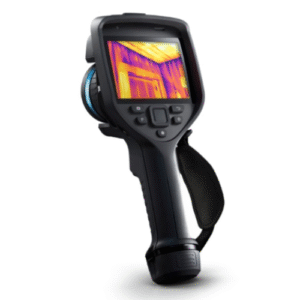
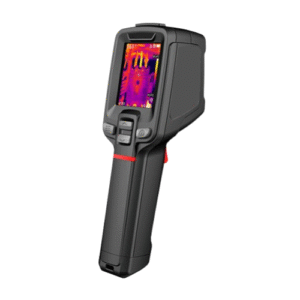
Advanced Handheld Thermal Imaging Camera with Infrared Inspection– Enviro Test Construct
Read more - Environmental Calibrators
Advanced Multifunction Temperature and Signal Calibrator – Enviro Test Construct
Read more