Moisture & Thermal Tools
Overview of Moisture & Thermal Tools for Construction Diagnostics and Environmental Measurement
Moisture and thermal diagnostic instruments play a critical role in identifying hidden structural risks, energy inefficiencies, and material degradation across construction environments. These tools combine precision sensing technologies such as capacitive moisture detection, infrared thermography, and thermal gradient mapping to deliver quantifiable insights into building conditions.
Construction professionals rely on moisture meters and thermal imaging devices to detect water intrusion, insulation gaps, thermal bridging, and condensation zones that are otherwise invisible. Accurate measurement enables proactive remediation, reduces long-term maintenance costs, and ensures compliance with environmental and structural standards.
Advanced sensing systems designed for environmental testing in construction contexts support both field inspections and continuous monitoring workflows. These instruments are engineered to operate across varied site conditions, offering real-time data acquisition, high-resolution imaging, and integration with digital reporting systems for comprehensive analysis and documentation.
Core Functional Capabilities for Environmental Testing and Structural Assessment
Enviro Test Construct designs moisture and thermal tools to address complex measurement challenges in construction environments, supporting engineers, inspectors, and system integrators.
- Detection of subsurface moisture in building materials using non-invasive and pin-based measurement technologies
- Infrared thermography for identifying heat loss, thermal bridging, and insulation defects in building envelopes
- Real-time thermal gradient visualization for energy efficiency diagnostics and HVAC system performance validation
- Quantitative moisture content analysis in wood, concrete, drywall, and composite construction materials
- Early-stage leak detection in roofing systems, plumbing infrastructure, and façade assemblies
- Identification of mold-prone zones through moisture accumulation and temperature differential mapping
- Integration with digital platforms for data logging, reporting, and compliance documentation
- Multi-mode measurement combining ambient temperature, humidity, and surface thermal profiling
- Calibration support for maintaining measurement accuracy across varying environmental conditions
- Wireless connectivity for remote monitoring and centralized data aggregation across multiple construction sites
Although primarily used for moisture and thermal diagnostics, these instruments often integrate environmental sensing capabilities relevant to broader air quality and building performance assessments.
- Measurement range for moisture content across different material types and densities
- Thermal sensitivity and resolution for accurate detection of minor temperature variations
- Infrared detector resolution and field of view for detailed thermal imaging analysis
- Response time and sampling rate for real-time monitoring applications
- Calibration standards and traceability for regulatory compliance and quality assurance
- Data storage capacity and compatibility with cloud-based or on-premise systems
- Environmental operating range including temperature, humidity, and dust resistance
- Battery life and power management for extended field operations
- Connectivity options such as Bluetooth, Wi-Fi, or USB for data transfer and integration
- Compliance with industry standards for measurement accuracy and safety
Building Moisture Meters for Material Integrity Assessment
Enviro Test Construct offers building moisture meters engineered for precise quantification of moisture levels across diverse construction materials. These instruments utilize both pin-type and non-destructive sensing technologies to evaluate moisture penetration without compromising structural integrity. Advanced models incorporate dielectric measurement principles to assess subsurface moisture distribution, enabling accurate detection of hidden dampness in walls, floors, and ceilings.
Field engineers use these devices during pre-installation inspections, post-construction validation, and remediation projects. Moisture meters support calibration for different material types, ensuring consistent readings across wood, concrete, gypsum, and composite surfaces. Integrated data logging and digital interfaces allow seamless documentation, supporting compliance reporting and long-term asset management strategies.
Click Hear For Building Moisture Meters
Thermal Imaging Cameras for Heat Flow and Energy Diagnostics
Thermal imaging cameras from Enviro Test Construct provide high-resolution infrared visualization to identify temperature differentials across building systems. These instruments detect heat loss, insulation gaps, and thermal anomalies that indicate inefficiencies or structural defects.
Equipped with advanced infrared sensors, these cameras generate detailed thermograms for analysis of HVAC performance, electrical systems, and building envelopes. Adjustable emissivity settings and temperature range configurations enhance measurement accuracy across various materials.
Engineers and inspectors rely on thermal imaging for predictive maintenance, energy audits, and fault detection. Integration with reporting software enables detailed analysis, supporting decision-making processes for construction optimization and sustainability initiatives.
- Detection of hidden water intrusion in concrete structures to prevent long-term structural degradation and costly repairs
- Thermal inspection of building envelopes to identify insulation gaps and improve overall energy efficiency performance
- Monitoring moisture levels during flooring installation to ensure proper curing and prevent material failure
- Inspection of roofing systems for trapped moisture and leak detection before visible damage occurs
- Evaluation of HVAC system performance through thermal distribution analysis and airflow diagnostics
- Identification of thermal bridging in steel and composite structures to reduce energy loss and improve insulation design
- Assessment of mold risk areas by analyzing moisture accumulation and temperature conditions within enclosed spaces
- Quality control during construction by verifying material dryness and compliance with environmental specifications
- Electrical system inspection to detect overheating components and prevent potential failures or hazards
- Post-disaster assessment for water damage and thermal impact following flooding or fire incidents
- ASTM International Standards
- ISO 6781 Thermal Performance of Buildings
- ANSI/ASHRAE Standards
- UL Certification
- CSA Group Standards
- EPA Indoor Air Quality Guidelines
- NFPA Codes and Standards
| Instrument Type | Measurement Focus | Detection Method | Typical Use Case | Data Output Type |
| Moisture Meters | Material moisture content | Capacitive / مقاومت pin-based | Building material inspection | Numeric readings |
| Thermal Imaging Cameras | Temperature distribution | Infrared thermography | Energy audits and fault detection | Thermal images (thermograms) |
| Hygro-Thermal Sensors | Ambient humidity and temperature | डिजिटल sensing modules | Environmental monitoring | Continuous data logs |
| Infrared Thermometers | Surface temperature | Spot IR measurement | Quick diagnostics and validation | Instant temperature values |
Successful implementation of moisture and thermal tools requires alignment with operational conditions, inspection workflows, and data management strategies.
Field environments often involve variable temperatures, high humidity, and dust exposure. Instruments must be ruggedized and calibrated for such conditions to maintain measurement accuracy. Mobility plays a significant role, especially for large construction sites where handheld, lightweight devices improve inspection efficiency.
Power requirements vary depending on usage duration and device complexity. Battery-operated systems with extended runtime support uninterrupted field operations, while some setups may require external power sources for continuous monitoring.
Data handling approaches range from onboard storage to cloud-based integration. Engineers typically require compatibility with existing building management systems or reporting tools. Wireless connectivity enables real-time data transfer, supporting centralized monitoring and faster decision-making.
Training and calibration protocols should be established to ensure consistent usage across teams. Proper handling, periodic recalibration, and adherence to manufacturer guidelines are essential for maintaining long-term reliability.
Enviro Test Construct has built a strong reputation across North America by delivering reliable environmental measurement solutions tailored to construction industry requirements.
- High measurement accuracy across diverse material types and environmental conditions
- Multi-functional instruments combining moisture, temperature, and thermal diagnostics in a single platform
- Robust design suitable for demanding construction environments and field applications
- Advanced data integration capabilities for reporting, compliance, and system interoperability
- Scalable solutions supporting both small-scale inspections and large infrastructure projects
- Continuous product development aligned with evolving regulatory and industry requirements
- Strong quality assurance processes ensuring consistent performance and durability
- Expert technical support enabling efficient deployment and operational optimization
- What is the difference between pin-type and non-invasive moisture meters?
Pin-type meters measure electrical resistance between probes, while non-invasive meters use electromagnetic signals to detect subsurface moisture. - How accurate are thermal imaging cameras for detecting insulation defects?
Accuracy depends on thermal sensitivity and environmental conditions, with high-resolution cameras detecting temperature differences as small as 0.05°C. - Can moisture meters be used on all construction materials?
Most devices support multiple materials but require calibration adjustments for accurate readings on wood, concrete, and composites. - What factors affect thermal imaging results in construction environments?
Surface emissivity, ambient temperature, humidity, and reflective surfaces can influence measurement accuracy. - Are these tools suitable for continuous monitoring or only spot inspections?
Certain models support continuous monitoring with data logging, while others are designed for periodic inspections. - How is data from these instruments typically managed?
Data can be stored locally, exported via USB, or transmitted wirelessly to cloud or enterprise systems for analysis. - What certifications should be considered when selecting these instruments?
Compliance with ASTM, ISO, and regional standards ensures measurement reliability and regulatory acceptance.
Engineers, procurement teams, and system integrators seeking reliable moisture and thermal diagnostic solutions can benefit from tailored technical support and product expertise. Enviro Test Construct continues to support construction professionals with advanced environmental measurement technologies and dedicated customer service.
For detailed product specifications, integration guidance, or project-specific recommendations, reach out through the official contact page:
Explore how we can support your requirements by visiting our Contact Us page and connecting with our technical team.
Showing 1–12 of 620 results
- Thermal Imaging Cameras
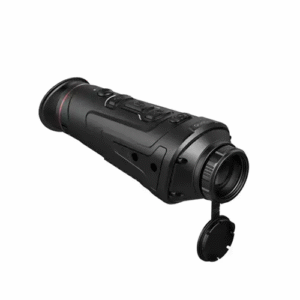
1-8X Long-Range Handheld Thermal Imager Monocular for Hunting – Enviro Test Construct
Read more - Building Moisture Meters
Advanced Micro-Moisture Sensor for Lubricating & Hydraulic Oil – Enviro Test Construct
Read more - Building Moisture Meters
Advanced Series Halogen Moisture Analyzer with Touch screen – Enviro Test Construct
Read more - Building Moisture Meters
Coal Powder and Soil Capacitive Moisture Meter – Enviro Test Construct
Read more - Building Moisture Meters
Digital Grain Moisture Meter Tester for 14 Grains with LCD Backlight – Enviro Test Construct
Read more - Building Moisture Meters
Digital Textile Moisture Meter for Cotton, Yarn, and Fabric – Enviro Test Construct
Read more