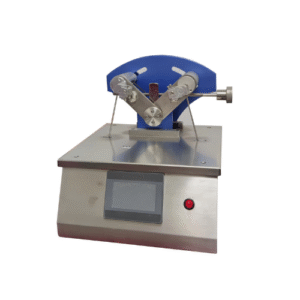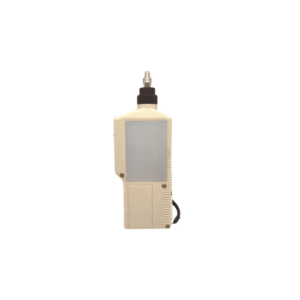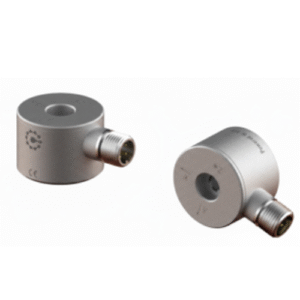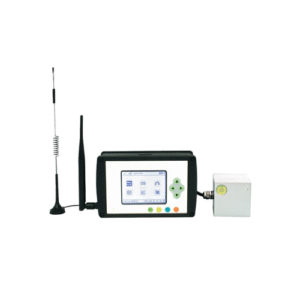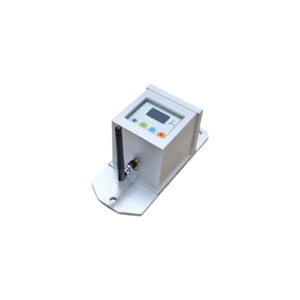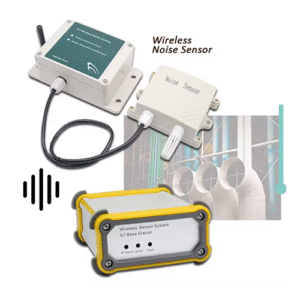
Sound & Vibration Tools
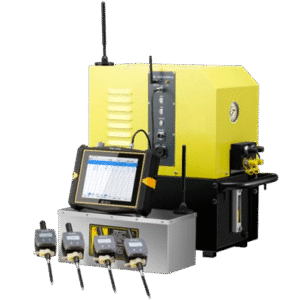
Enviro Test Construct designs and delivers sound and vibration instruments that align with the operational demands of construction monitoring, infrastructure assessment, and environmental compliance programs.
Core Functional Capabilities
- Measurement of sound pressure levels across multiple frequency weightings such as A, C, and Z scales
- Real-time vibration analysis including velocity, displacement, and acceleration parameters
- Frequency spectrum analysis using FFT for identifying dominant noise and vibration sources
- Data logging for long-duration environmental monitoring and compliance documentation
- Threshold-based alerting for exceedance of permissible noise or vibration limits
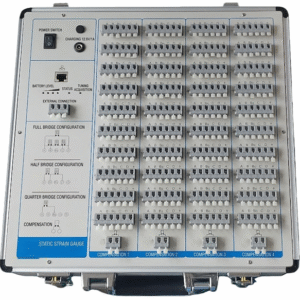
- Integration with external sensors for multi-point monitoring across large construction zones
- Calibration support to maintain measurement traceability and accuracy over time
- Portable and fixed installation configurations for site flexibility
- Time history recording for detailed post-event analysis
- Wireless data transmission for remote monitoring and centralized reporting
Engineering Considerations for Acoustic and Vibration Measurement Systems
Selection of appropriate instruments requires careful evaluation of technical parameters to ensure reliable performance under varying site conditions.
Critical Specifications
- Measurement range covering expected sound pressure levels and vibration amplitudes
- Frequency response suitable for construction-related noise and structural vibration analysis
- Dynamic range to capture both low-level ambient noise and high-intensity construction activity
- Sensor type including condenser microphones for acoustics and piezoelectric accelerometers for vibration
- Calibration standards compliance to ensure measurement accuracy and repeatability
- Environmental protection rating for dust, moisture, and temperature resistance
- Data storage capacity and sampling rates for continuous monitoring applications
- Power supply options including battery operation and external power compatibility
- Interface capabilities such as USB, Ethernet, or wireless connectivity
- Software compatibility for data visualization, reporting, and integration with monitoring systems
Noise and Acoustic Calibrators
Noise and acoustic calibrators are essential for verifying the accuracy of sound level meters and acoustic measurement systems. These devices generate stable and traceable reference sound pressure levels at specific frequencies, allowing field technicians to validate instrument performance before and after measurements. Calibration ensures compliance with international standards and reduces measurement uncertainty in environmental noise studies. Designed for portability and ease of use, acoustic calibrators are widely deployed across construction sites, laboratories, and compliance monitoring programs. Reliable calibration supports defensible data collection, especially in regulatory reporting and environmental impact assessments where precision is critical.
Click here for Noise and Acoustic Calibrators
Vibration Meters
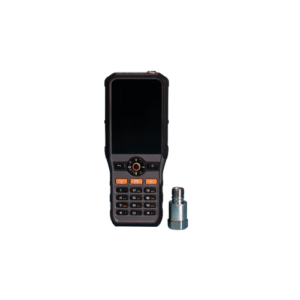
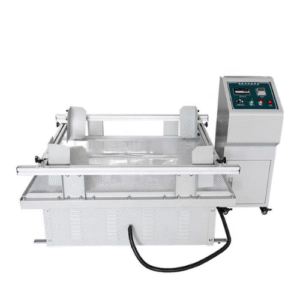
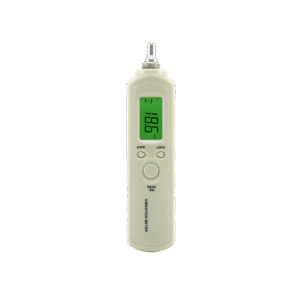
Vibration meters are used to measure mechanical oscillations in structures, machinery, and construction activities. These instruments capture parameters such as velocity, displacement, and acceleration to assess structural integrity and equipment performance. Engineers rely on vibration meters to monitor the effects of activities like piling, blasting, and heavy machinery operation on nearby structures. Advanced models include frequency analysis capabilities to identify sources of vibration and assess resonance risks. Rugged construction and sensor accuracy make these tools suitable for field deployment in demanding environments, supporting both short-term diagnostics and long-term structural monitoring programs.
Use Cases Across Construction and Infrastructure Projects
- Monitoring construction noise levels to ensure compliance with local environmental regulations and community impact limits
- Measuring vibration impact from pile driving to protect nearby buildings and underground utilities
- Assessing structural response during demolition activities to prevent unintended damage or collapse
- Evaluating equipment-generated noise for occupational health and safety compliance
- Conducting baseline environmental noise surveys prior to project initiation
- Monitoring rail and traffic-induced vibration near construction zones
- Supporting forensic engineering investigations related to structural damage claims
- Measuring blast-induced vibration during controlled excavation or mining operations
- Tracking long-term vibration trends in infrastructure such as bridges and tunnels
- Verifying compliance with contractual noise and vibration thresholds on large-scale projects
Applicable Frameworks for Acoustic and Vibration Measurement
- OSHA Occupational Noise Exposure Standards
- ANSI S1 Acoustic Measurement Standards
- ISO 1996 Environmental Noise Assessment
- ISO 8041 Human Response to Vibration
- EPA Environmental Noise Guidelines
- ASTM E90 Airborne Sound Transmission
- ASTM E756 Vibration Damping Properties
- CSA Z107 Noise Exposure Standards
- Canadian Environmental Protection Act Noise Provisions
- Transport Canada Environmental Noise and Vibration Guidelines
High-Level Comparison Across Measurement Devices
| Instrument Type | Primary Measurement Focus | Typical Use Case | Portability | Data Logging Capability | Frequency Analysis |
| Sound Level Meters | Sound pressure levels | Environmental noise monitoring | High | Yes | Limited |
| Acoustic Calibrators | Reference sound generation | Instrument calibration | High | No | No |
| Vibration Meters | Mechanical vibration parameters | Structural and equipment monitoring | Moderate | Yes | Yes |
| Multi-Channel Systems | Combined acoustic and vibration | Large-scale monitoring projects | Low | Advanced | Advanced |
| Data Loggers | Long-term data collection | Continuous environmental monitoring | Moderate | Extensive | Limited |
Deployment of Sound and Vibration Tools in Industrial Environments
Effective use of acoustic and vibration instruments depends on understanding operational conditions and deployment requirements. Construction sites often present challenging environments with high dust levels, fluctuating temperatures, and continuous mechanical activity. Instruments must be selected with appropriate ingress protection ratings and durability to withstand such conditions.
Mobility plays a critical role, especially for site surveys and temporary monitoring setups. Portable devices with lightweight design and battery operation allow technicians to conduct measurements across multiple locations efficiently. Fixed installations may require weatherproof enclosures and stable mounting systems for long-term monitoring.
Power requirements vary depending on deployment duration and data acquisition needs. Battery-powered systems are suitable for short-term measurements, while continuous monitoring installations often rely on external power sources with backup options.
Data handling approaches should align with project requirements. Real-time monitoring systems enable immediate alerts and decision-making, while offline data logging supports detailed analysis and reporting. Integration with centralized platforms allows stakeholders to access and interpret data across multiple sites.
Engineering Benefits for Construction Monitoring Programs
Enviro Test Construct has established itself as a trusted provider of environmental testing and measurement solutions for the construction sector. Strong focus on research, product reliability, and technical support ensures that our sound and vibration tools meet the demands of complex industrial environments.
Key Advantages
- High measurement accuracy supported by traceable calibration standards
- Robust design suitable for harsh construction and industrial conditions
- Flexible deployment options for both portable and fixed monitoring applications
- Advanced data acquisition capabilities for detailed analysis and reporting
- Compatibility with industry-standard software for integration into monitoring workflows
- Support for regulatory compliance through reliable and defensible data collection
- Continuous product development driven by real-world engineering feedback
- Expert technical guidance to assist in instrument selection and implementation
Growing B2B presence across North America reflects our commitment to delivering reliable measurement solutions that help organizations improve operational efficiency and maintain compliance.
- What is the difference between sound level meters and vibration meters?
Sound level meters measure acoustic pressure in the air, while vibration meters measure mechanical motion within structures or equipment. - How often should acoustic instruments be calibrated?
Calibration should be performed before and after measurements in the field, with periodic laboratory calibration based on usage and standards. - What parameters are typically measured in vibration analysis?
Velocity, displacement, and acceleration are the primary parameters used to evaluate vibration characteristics. - Can these instruments be used for long-term monitoring?
Yes, many systems support continuous data logging and remote monitoring for extended periods. - What factors affect measurement accuracy in construction environments?
Environmental conditions, sensor placement, calibration status, and external interference can influence accuracy. - Are these tools suitable for regulatory compliance reporting?
Yes, when properly calibrated and used according to standards, they provide reliable data for compliance documentation. - What type of data output formats are supported?
Common formats include CSV, binary logs, and integration with specialized analysis software platforms.
Organizations seeking reliable sound and vibration measurement tools for construction and industrial applications can benefit from expert guidance and tailored solutions. Enviro Test Construct supports engineers, procurement teams, and system integrators with product selection, technical consultation, and implementation support.
Reach out through our Contact Us page to discuss your project requirements, request product details, or explore how our solutions can enhance your environmental monitoring and compliance strategy.
Showing 625–636 of 677 results
- Noise and Acoustic Calibrators
Wireless Noise Monitoring Sensor Device with RF Analog Module Alarm – Enviro Test Construct
Read more