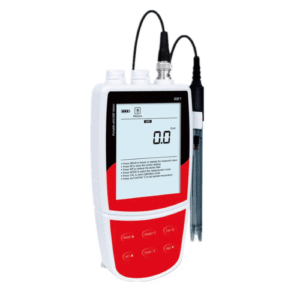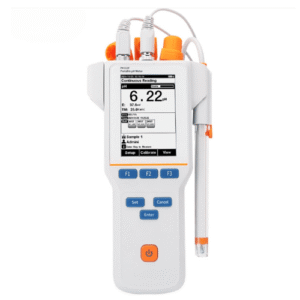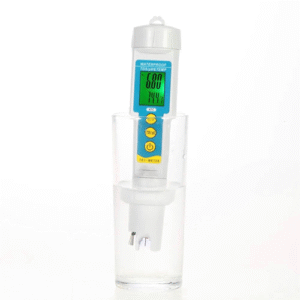
Water Quality Tools
Functional Scope of Measurement and Analysis Systems
Water quality instrumentation deployed by Enviro Test Construct supports a wide range of measurement and analytical operations required in construction-linked environmental evaluation systems.
- Real-time monitoring of pH, conductivity, turbidity, and ion concentration across dynamic site conditions
- Detection of dissolved solids, salinity, and chemical contamination in groundwater and surface water
- Multi-parameter data acquisition through integrated sensors and modular probes
- Automated calibration routines to maintain measurement accuracy across extended operational cycles
- Logging and exporting of measurement data for compliance documentation and audit traceability
- Integration with SCADA systems and environmental data platforms for centralized monitoring
- High-resolution sampling for laboratory validation and regulatory reporting
- Ruggedized enclosures designed for exposure to dust, moisture, and vibration in active construction zones
Cross-Environmental Evaluation Criteria for Measurement Devices
Although focused on water systems, selection criteria often align with broader environmental instrumentation standards.
- Measurement range and resolution for each parameter, ensuring compatibility with regulatory thresholds
- Sensor type including electrochemical, optical, or ion-selective technologies depending on application requirements
- Calibration frequency and availability of automated or manual calibration mechanisms
- Environmental protection ratings such as IP65 or higher for field deployment
- Response time and sampling rate for dynamic monitoring conditions
- Data storage capacity and communication interfaces including USB, Bluetooth, or industrial protocols
- Power configuration including battery operation, AC supply, or hybrid systems
- Maintenance requirements including sensor replacement intervals and cleaning procedures
pH Measurement Meters
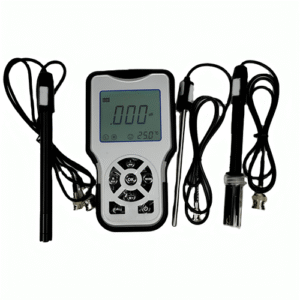
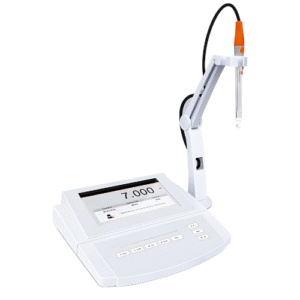
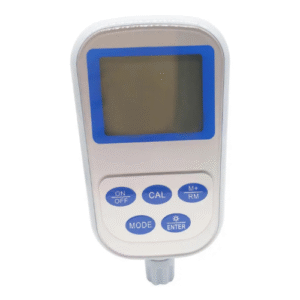
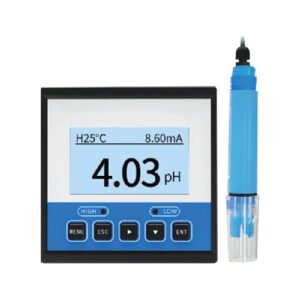
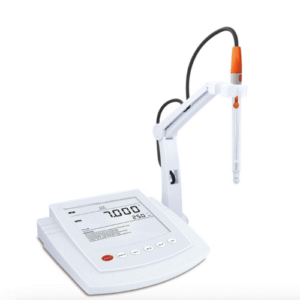
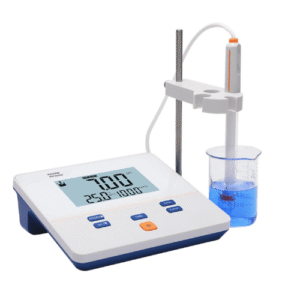
pH measurement meters are essential for assessing acidity and alkalinity levels in construction-related water systems. These devices use electrochemical sensors, typically glass electrodes, to detect hydrogen ion activity. High-precision models offer automatic temperature compensation to maintain accuracy across varying environmental conditions. Portable variants are commonly used for on-site inspections of runoff, while benchtop units support laboratory validation. Stability of calibration and resistance to electrode fouling are critical factors in construction environments where suspended solids and chemical exposure are common.
Click here for pH Measurement Meters
Conductivity Meters
Conductivity meters evaluate the ability of water to conduct electrical current, directly correlating with dissolved ion concentration. These instruments are widely used to monitor salinity, total dissolved solids, and contamination levels in construction discharge water. Measurement is typically performed using two-electrode or four-electrode sensor configurations, depending on accuracy requirements. Advanced models provide temperature compensation and multi-range detection, allowing use across freshwater and high-conductivity industrial fluids. Their role is central in assessing water reuse feasibility and environmental discharge compliance.
Click here for Conductivity Meters
Ion Concentration Meters
Ion concentration meters utilize ion-selective electrodes to measure specific ions such as nitrate, chloride, calcium, or ammonium. These tools are critical for identifying chemical imbalances and contamination sources in construction zones. Precision depends on electrode selectivity, calibration accuracy, and interference management. Field-deployable units enable rapid testing of groundwater and soil leachate, while laboratory systems support detailed chemical profiling. These instruments are particularly relevant in projects involving soil stabilization, chemical treatment processes, and environmental remediation.
Click here for Ion Concentration Meters
Turbidity Testing Meters
Turbidity meters measure the cloudiness of water caused by suspended particles using optical scattering techniques. These instruments are vital in construction sites where soil disturbance and sediment runoff impact nearby water bodies. Nephelometric measurement methods provide standardized readings aligned with regulatory requirements. Portable turbidity meters are widely used for on-site inspections, while continuous monitoring systems are deployed in drainage channels and retention basins. Measurement accuracy depends on optical calibration, light source stability, and resistance to fouling.
Click here for Turbidity Testing Meters
Water Quality Analyzers
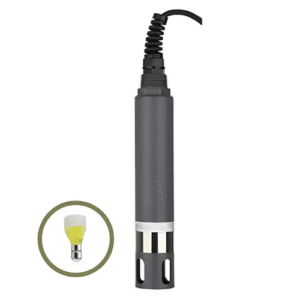
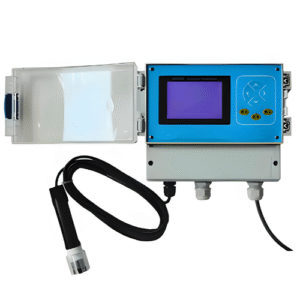
Water quality analyzers integrate multiple sensing technologies into a single platform, enabling simultaneous measurement of parameters such as pH, conductivity, dissolved oxygen, and turbidity. These systems support comprehensive environmental monitoring and are often deployed in fixed installations for continuous assessment. Data integration capabilities allow connection to centralized monitoring systems, enabling trend analysis and automated reporting. Their use is critical in large-scale construction projects where environmental impact must be continuously evaluated across multiple water sources.
- Monitoring sediment-laden runoff to prevent downstream contamination during excavation and grading activities
- Verifying wastewater discharge quality before release into municipal or natural water systems
- Assessing groundwater conditions prior to foundation work and underground infrastructure installation
- Supporting environmental impact assessments during road, bridge, and urban development projects
- Evaluating process water quality in concrete mixing and curing operations
- Detecting chemical contamination in soil stabilization and treatment processes
- Tracking water quality in dewatering operations across construction sites
- Ensuring compliance with environmental permits and regulatory thresholds during project execution
- Monitoring retention ponds and drainage systems for turbidity and pollutant accumulation
- Validating water reuse systems implemented for sustainable construction practices
- EPA Clean Water Act
- National Pollutant Discharge Elimination System
- EPA Water Quality Standards
- ASTM D1125
- ASTM D1888
- NSF ANSI 372
- CSA Group Environmental Standards
- Environment and Climate Change Canada Water Regulations
- Safe Drinking Water Act
- ISO 7027
| Instrument Type | Primary Measurement Focus | Typical Use Case | Portability | Data Integration Capability |
| pH Meters | Acidity and alkalinity | Runoff and wastewater testing | High | Moderate |
| Conductivity Meters | Ionic content and salinity | Dissolved solids analysis | High | Moderate |
| Ion Concentration Meters | Specific ion detection | Chemical contamination analysis | Moderate | Moderate |
| Turbidity Meters | Suspended particle levels | Sediment monitoring | High | Low to Moderate |
| Water Quality Analyzers | Multi-parameter measurement | Continuous environmental monitoring | Low to Moderate | High |
Deployment Conditions and System Integration Factors
Water quality instruments are deployed across diverse operational conditions, ranging from controlled laboratory environments to highly variable construction sites. Equipment selection depends on environmental exposure, required mobility, and data management strategy.
Field deployment often requires handheld or portable units with battery power, durable casings, and simplified user interfaces. Fixed installations in monitoring stations or treatment systems rely on continuous power sources and integration with supervisory control systems.
Environmental factors such as temperature fluctuations, humidity, dust, and vibration influence sensor performance and maintenance schedules. Regular calibration and cleaning protocols are necessary to maintain data accuracy.
Data handling approaches vary from manual logging to automated cloud or server-based systems. Integration with GIS platforms and environmental monitoring dashboards supports real-time decision-making and regulatory reporting.
Performance Benefits in Construction-Driven Environmental Measurement Systems
Enviro Test Construct delivers instrumentation designed for high-reliability performance in demanding construction environments, supporting accurate environmental validation and regulatory compliance.
- Robust sensor technologies engineered for high-contamination and variable water conditions
- Consistent measurement accuracy supported by advanced calibration mechanisms
- Modular system design enabling scalable deployment across small and large projects
- Compatibility with industrial data systems for centralized monitoring and reporting
- Reduced maintenance downtime through durable materials and optimized sensor lifecycles
- Field-tested performance across infrastructure, civil engineering, and environmental remediation projects
Strong adoption across North America reflects proven reliability in meeting strict environmental testing requirements while supporting operational efficiency.
- What factors most affect measurement accuracy in water quality tools?
Sensor calibration, temperature variation, contamination buildup, and electrical interference are primary influencing factors. - How frequently should calibration be performed?
Frequency depends on usage intensity and environmental conditions, though daily or pre-measurement calibration is common in field operations. - When should ion-selective electrodes be used instead of general analyzers?
Use ion-selective electrodes when specific ion concentration measurement is required rather than overall water quality profiling. - What is the difference between turbidity and total suspended solids measurement?
Turbidity measures light scattering caused by particles, while total suspended solids quantify actual mass concentration. - Can water quality tools integrate with industrial monitoring systems?
Many advanced instruments support integration via industrial communication protocols and data export interfaces. - What power configurations are typically available?
Battery-powered portable units and AC-powered fixed systems are both common, depending on deployment requirements. - How are instruments protected in harsh construction environments?
Devices are designed with sealed enclosures, impact-resistant materials, and environmental protection ratings suitable for field use.
Engineering teams, procurement specialists, and system integrators requiring reliable water analysis solutions can access expert guidance and product support through Enviro Test Construct. Detailed specifications, integration of advice, and application-specific recommendations are available through direct engagement. Access technical consultation and product inquiries by visiting the official contact page at Contact Us, where support teams provide tailored assistance for environmental measurement and construction-focused monitoring systems.
Showing 25–36 of 1273 results
- pH Measurement Meters
Enviro Test Construct 0 to 14 LCD Digital Pocket Pen pH Tester – Accuracy ± 0.02 pH
Read more - pH Measurement Meters
Enviro Test Construct 1-to-5-point Calibration Automatic Digital pH Meter
Read more